
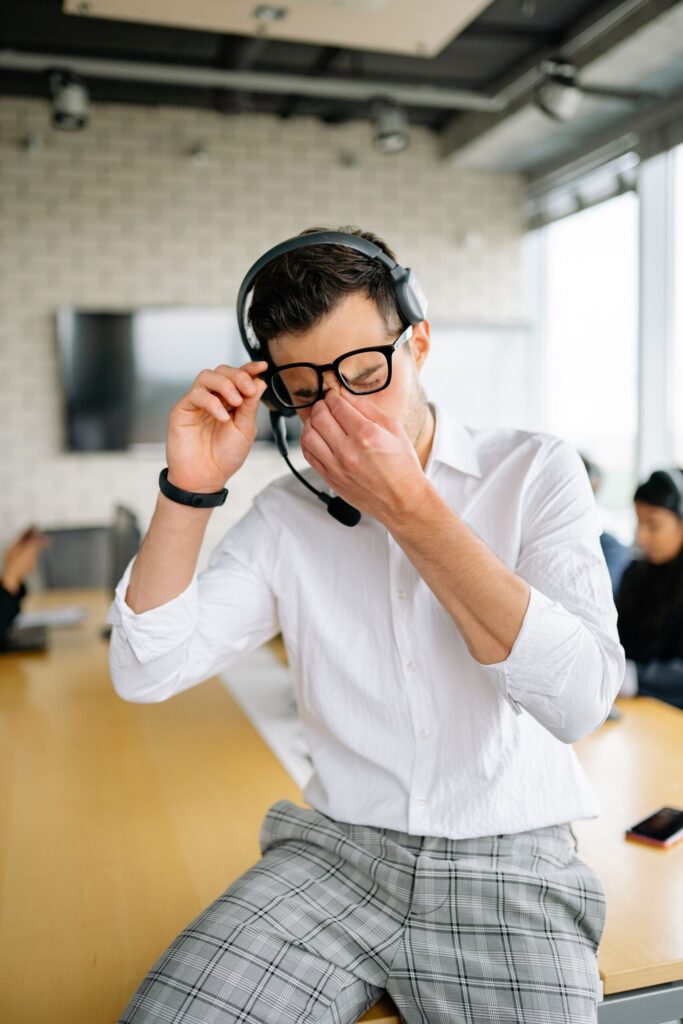
If your eyes have been itchy, red, and watery lately, you’re not alone. Late summer and early fall bring a fresh wave of ragweed pollen and mold spores, and seasonal eye allergies are one of the most common reasons patients show up in my office this time of year. The good news is that once you understand what’s actually triggering the reaction, most cases are easy to manage without much fuss.
What Causes Seasonal Eye Allergies
Seasonal eye allergies happen when airborne allergens — ragweed pollen, grasses, mold spores, even dust kicked up by dry autumn winds — land directly on the surface of your eye. Your immune system mistakes these harmless particles for a threat and releases histamine, which makes the blood vessels in your eyes swell. That’s what gives you the classic look and feel: pink, puffy, itchy eyes that water more than usual, sometimes with a bit of stringy discharge.
Allergies or Dry Eye? Know the Difference
Itchiness is the biggest clue. Allergic eyes itch first and water second, while dry eyes tend to feel gritty or burning with far less itch. The two conditions can actually feed each other — dry, irritated eyes react more strongly to allergens, and some allergy medications dry the eyes out further, which then makes allergy symptoms feel worse. If dryness is already part of your picture, our guide to dry eye relief is worth reading alongside these tips, since the same season often brings both.
Relief That Actually Works
Cold compresses and preservative-free artificial tears flush allergens off the eye’s surface and calm irritation quickly. Over-the-counter antihistamine eye drops usually work faster and more directly than oral allergy pills, which can sometimes dry the eyes out even more. Try not to rub — it feels satisfying for a second but releases more histamine and makes the itch worse. Checking daily pollen counts and keeping windows closed on high-count days also cuts down on exposure before it ever starts. If you wear contacts, switching to glasses for a few days during flare-ups gives your eyes a break, since pollen can cling to the lens surface all day long. It’s also worth swapping out your eye makeup and any drops you’ve been dipping into repeatedly, since allergens and bacteria both build up in products you reuse near irritated eyes.
When Seasonal Eye Allergies Need a Doctor’s Visit
Most seasonal eye allergies settle down within a few days of simple home care. But it’s worth seeing an eye doctor if you notice thick discharge, real pain, light sensitivity, or any change in vision, since these can point to an infection or another condition rather than plain allergies. According to the American Academy of Ophthalmology, symptoms that are severe or don’t improve with over-the-counter drops deserve a proper exam rather than months of guessing.
With the right mix of avoidance and treatment, you can get through allergy season with clear, comfortable eyes and a lot less rubbing.