
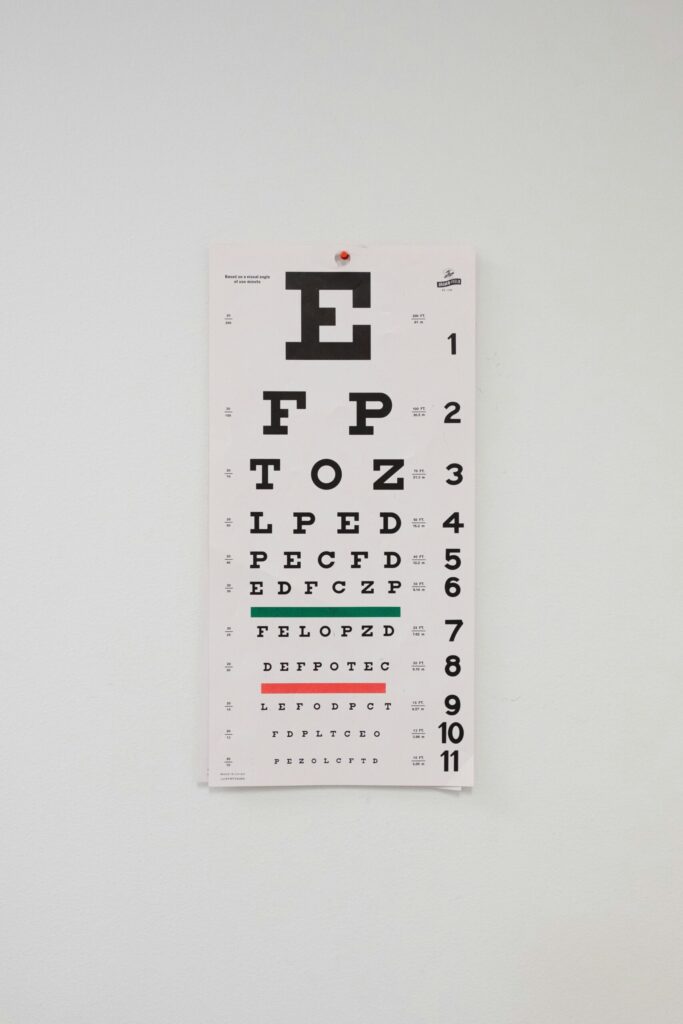
Diabetic eye disease is one of the most common things I catch early in patients who feel completely fine — which is exactly the problem. If you have diabetes, whether type 1 or type 2, the disease can quietly damage the blood vessels in your retina years before it ever affects your vision, and by the time you notice a change, some of that damage may already be permanent.
What Is Diabetic Eye Disease?
Diabetic eye disease is an umbrella term for several eye conditions caused by chronically elevated blood sugar, the most common being diabetic retinopathy. High glucose levels damage the small blood vessels feeding the retina, causing them to leak fluid, bleed, or, in advanced stages, prompt the growth of fragile new vessels that can bleed heavily or pull the retina loose. Diabetes also raises your risk of cataracts and glaucoma, so the eye effects go well beyond the retina alone.
Why You Might Not Notice Anything Wrong
Early diabetic retinopathy typically has zero symptoms. Your central vision can stay sharp even as leakage and small hemorrhages are actively occurring at the edges of your retina. Blurry vision, dark spots, or difficulty seeing at night tend to show up only once the disease has progressed — which is why waiting for symptoms is the wrong strategy with diabetic eye disease specifically.
How Often You Should Get Screened
Anyone with diabetes should get a comprehensive dilated eye exam at diagnosis and then at least once a year after that, regardless of how well-controlled your blood sugar feels day to day. Pregnant patients with diabetes and anyone with A1C levels running consistently high should be screened more frequently — I’ll usually recommend every three to six months in those cases. This exam is different from a routine vision check; it specifically looks at the health of your retinal blood vessels.
Keeping Your Risk Low
The strongest protection against diabetic eye disease is the same thing your endocrinologist or primary care doctor is already telling you: tight blood sugar control, blood pressure management, and not smoking. Studies consistently show that keeping A1C closer to target dramatically lowers the risk of retinopathy progressing to a vision-threatening stage. When retinopathy is caught early, treatments like laser therapy and anti-VEGF injections are highly effective at preserving vision — but only if we catch it in time.
If you have diabetes and haven’t had a dilated eye exam in the past year, that’s the single most useful thing you can do for your long-term vision this month. For more on protecting your eyesight day to day, see our guide on everyday habits that protect your eyesight. For a deeper clinical overview, the American Academy of Ophthalmology’s guide to diabetic retinopathy is an excellent resource.