
Good post-LASIK care in the days and weeks after surgery is what turns a great procedure into a great outcome. As an ophthalmologist, I tell every LASIK patient the same thing on their way out of the surgical suite: the surgery is only half the story. What you do at home over the next month matters just as much.
The First 24 to 48 Hours of Post-LASIK Care
Your eyes will feel scratchy, watery, or mildly gritty for the first several hours, and vision may look hazy before it sharpens. This is normal. The single most important rule in post-LASIK care right now is: do not rub your eyes. Rubbing can shift the corneal flap before it has fully settled. Wear the protective shields you’re given, especially while sleeping, and go straight home to rest with your eyes closed rather than reading or scrolling on a phone.
Using Your Drops Correctly
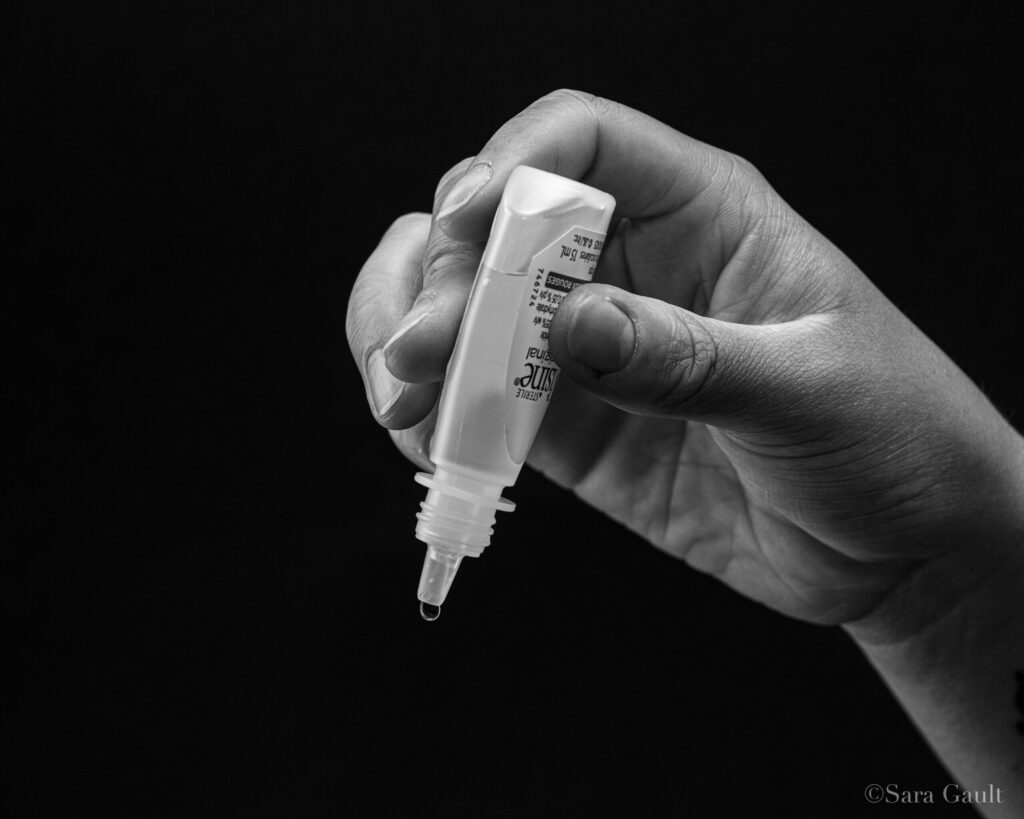
You’ll leave with antibiotic and anti-inflammatory drops, plus preservative-free artificial tears. Stick to the exact schedule your surgeon gives you, even once your eyes start feeling normal again, since stopping early is one of the most common post-LASIK care mistakes I see. Keep the artificial tears close by for the first few months, since dryness is the most frequent lingering symptom while the corneal nerves heal.
Easing Back Into Normal Activities
Most people return to desk work and screens within a day or two, though your eyes will tire faster than usual, so build in breaks. Avoid swimming pools, hot tubs, and eye makeup for about a week to reduce infection risk, and skip contact sports or anything that could result in a blow to the face for about a month. Driving is usually fine once your surgeon confirms your vision meets the legal standard at your follow-up visit, often the very next day.
Warning Signs Worth a Call
Mild blurriness and light sensitivity in week one are expected parts of post-LASIK care and recovery. What isn’t expected: sudden worsening of vision, significant pain rather than mild discomfort, or a lot of new discharge. Any of those warrant a same-day call to your surgeon rather than a wait-and-see approach.
The recovery timeline for other refractive procedures looks a little different — if you’re considering or recovering from PRK instead of LASIK, healing takes longer and the early precautions are even more important. For a deeper look at what the procedure itself involves and who makes a good candidate, the American Academy of Ophthalmology has a helpful overview of recovery after laser eye surgery.
Most patients are thrilled with their vision within a week and fully settled by three months. Following your post-LASIK care instructions closely in those early days is the best thing you can do to protect the results you and your surgeon worked for.