
Diet for eye health is something patients ask me about almost as often as glasses prescriptions, and it’s one of the few things you have real day-to-day control over. Genetics and age play a big role in how your eyes hold up over time, but what’s on your plate genuinely affects your risk for cataracts, macular degeneration, and dry eyes — and the good news is that eating well for your eyes overlaps almost entirely with eating well for everything else.
The Nutrients That Actually Matter for Diet and Eye Health
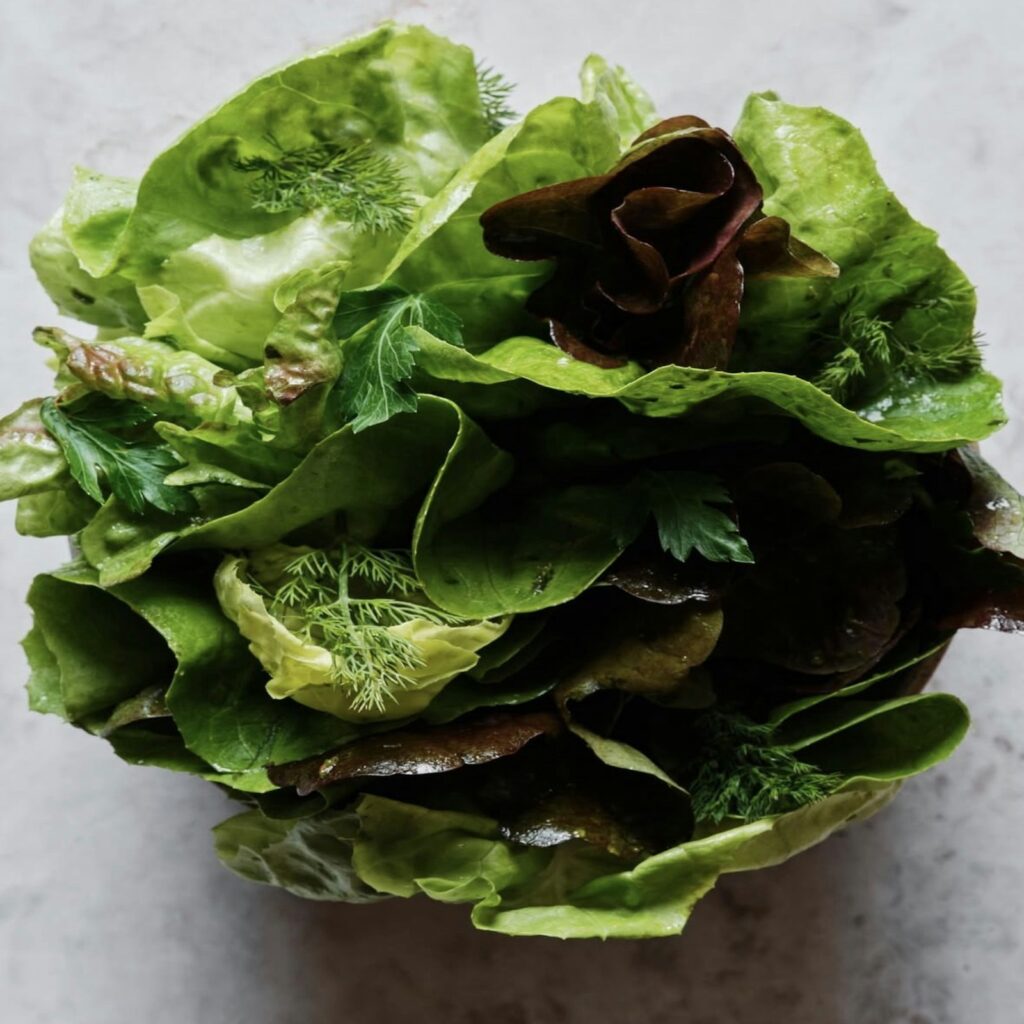
A handful of nutrients have real evidence behind them. Lutein and zeaxanthin, found in leafy greens like spinach and kale, concentrate directly in the retina and act like a built-in pair of sunglasses, filtering damaging blue light. Omega-3 fatty acids, especially from fatty fish like salmon and sardines, support tear film quality and have been linked to lower rates of dry eye. Vitamin C and E, found in citrus, berries, and nuts, help protect the lens from the oxidative damage that contributes to cataracts. Zinc, present in beans and poultry, helps your body actually use vitamin A, which the retina depends on for night vision.
What a Good Eye Health Diet Looks Like on a Plate
You don’t need supplements or a strict meal plan to get most of this — a genuinely good diet for eye health looks a lot like the Mediterranean-style eating patterns that show up in most nutrition research: leafy greens and colorful vegetables at most meals, fish a couple times a week, nuts and seeds as regular snacks, and whole grains over refined ones. Eggs are worth mentioning specifically — the yolk is one of the most concentrated natural sources of lutein and zeaxanthin around.
Where Supplements Fit In
For most people, food does the job well enough that supplements aren’t necessary. The exception is patients with diagnosed intermediate or advanced age-related macular degeneration, where a specific, research-backed combination (based on the AREDS2 formula) has been shown to slow progression. That’s a conversation to have with your eye doctor directly, not something to start on your own based on a supplement aisle display.
What Doesn’t Help as Much as You’d Think
Carrots deserve a quick myth-check here — they contain vitamin A and support general eye function, but eating extra carrots won’t sharpen 20/20 vision or reverse existing problems. The real value of diet for eye health is in steady, long-term risk reduction, not a quick fix, and that’s honestly a more sustainable way to think about it anyway.
None of this requires an overhaul. Adding a serving of leafy greens most days and fish once or twice a week moves the needle more than any single “superfood” ever will. For more everyday habits alongside diet, see our guide on everyday habits that protect your eyesight. For a deeper look at the research, the American Academy of Ophthalmology’s guide to diet and nutrition for eye health is a great resource.