
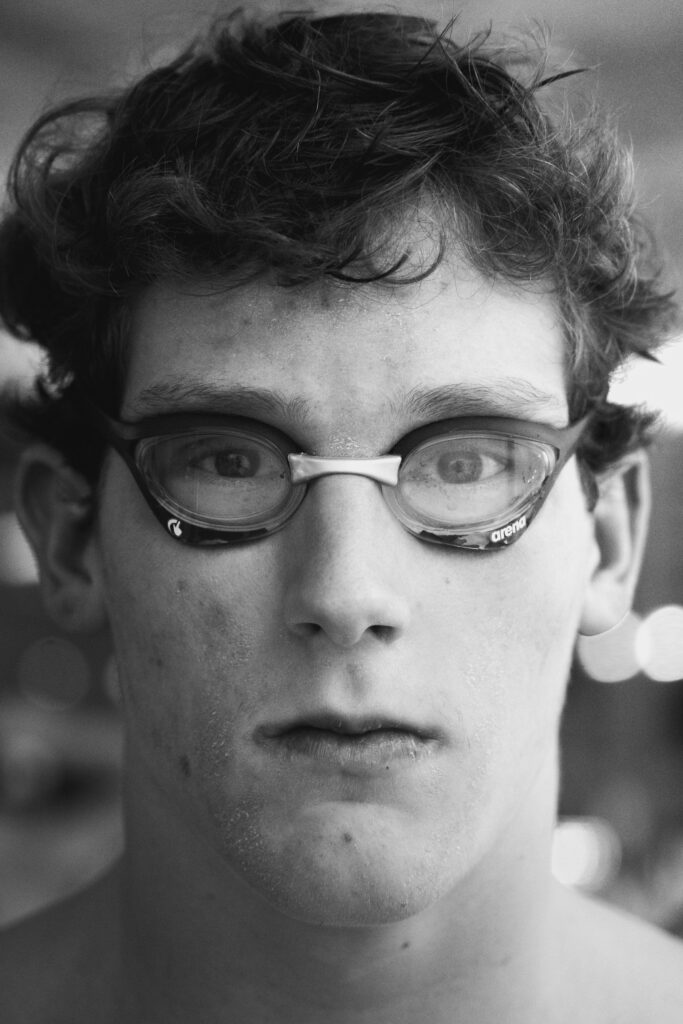
Every year, thousands of children and teens end up in the emergency room with eye injuries that a little sports eye protection could have prevented. As an ophthalmologist, I see the same story on repeat: a fastball, a stray elbow, a racquet, a ball to the face during recess — and an injury that the right eyewear would have stopped cold. It isn’t optional gear reserved for hockey or lacrosse. It belongs in every young athlete’s bag, no matter the sport.
Why Sports Eye Protection Often Gets Skipped
Most youth leagues don’t require it, and most kids don’t think to ask for it, so protective eyewear ends up on the “maybe next season” list. Here’s the part parents are often surprised by: regular eyeglasses, and even most sunglasses, aren’t built to handle impact. Their lenses can shatter on contact and cause a worse injury than no glasses at all. True protective eyewear for sports uses polycarbonate lenses, which are far more impact-resistant than standard plastic, set into a padded, sport-specific frame designed to stay put during play.
Which Sports Put Eyes Most at Risk
Basketball, baseball, racquet sports, and hockey account for a large share of the sports-related eye injuries I treat in clinic, mostly because they combine fast-moving balls or sticks with close contact. Water sports carry their own risk too — chlorine and pressure changes make snug-fitting goggles worth as much for eye health as for visibility underwater. As a rule of thumb, any sport involving a ball, puck, racquet, or another player’s elbow at eye level is a sport where protective eyewear earns its place in the gear bag.
Choosing and Using the Right Sports Eye Protection
Look for eyewear labeled ASTM F803, the recognized standard for sport-specific protective eyewear, which means the frame and lens have actually been tested for the sport they’re sold for. Kids who already wear prescription glasses can get sports eye protection made with their prescription built right in, so there’s no reason to swap in regular glasses on game day. A comprehensive back-to-school eye exam is a good time to ask your child’s eye doctor which sports eyewear actually fits their vision needs and their sport.
If an Eye Injury Happens Anyway
If a ball or elbow does connect, don’t rub the eye or try to rinse away any blood — gently cover it and get seen the same day, since injuries that look minor at first can worsen over the following hours. According to the American Academy of Ophthalmology, tens of thousands of sports-related eye injuries are treated in the U.S. every year, and the vast majority are preventable. A few dollars spent on proper sports eye protection now can save a season, and sometimes a child’s vision, later.