
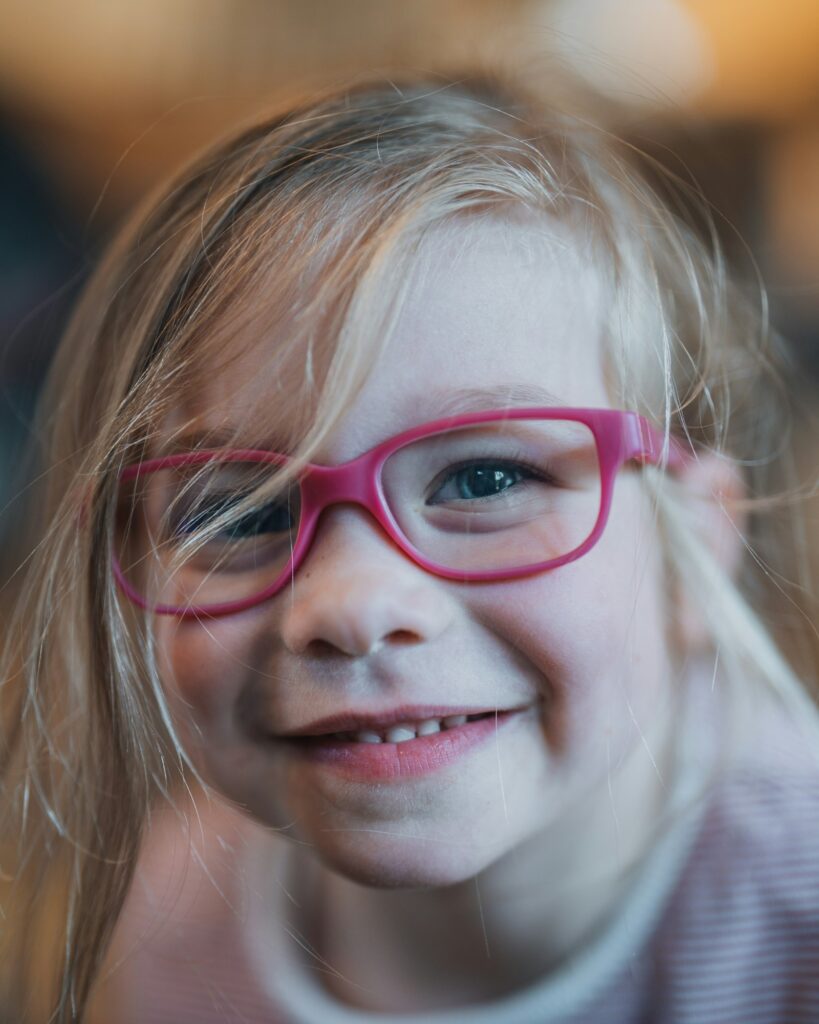
As backpacks get packed and school supply lists get checked off, one important item is easy to overlook: a back-to-school eye exam. As an ophthalmologist in Dubai, I see it every August — a child squinting at the whiteboard, rubbing their eyes over homework, or quietly falling behind in class, when the real problem turns out to be uncorrected vision rather than a learning issue at all.
Why a Back-to-School Eye Exam Belongs on Every Checklist
Roughly 80 percent of what a child learns in the classroom is presented visually, which means even a mild, undiagnosed vision problem can quietly shape how well a student reads, focuses, and keeps up. Because kids rarely say “I can’t see the board clearly” — they simply assume everyone sees the way they do — a back-to-school eye exam is often the only way parents find out something needs correcting before report cards do.
Signs Your Child Might Need Glasses
Watch for squinting, sitting unusually close to the TV or tablet, frequent headaches, losing their place while reading, or tilting the head to see better. Many of these overlap with digital eye strain from hours of screen-based homework, so it’s not always obvious whether the issue is fatigue or an actual refractive error — which is exactly why a proper exam, not just guessing, matters.
When to Schedule It
Ideally, book the exam a few weeks before the first bell rings, so there’s time to order glasses if needed and let your child adjust. The American Academy of Ophthalmology outlines an age-based screening schedule starting in infancy, with checkups recommended around ages 3-5 and again at school entry; you can review the full guidance from the American Academy of Ophthalmology. If your child has already had a school vision screening, know that those brief checks can miss subtler problems like eye teaming or focusing issues — a comprehensive back-to-school eye exam catches far more.
What Happens at the Visit
A comprehensive exam typically checks visual acuity, eye alignment, and how well both eyes focus together, and it’s painless and quick for most children. If glasses are prescribed, involve your child in choosing frames they’ll actually want to wear — compliance matters as much as the prescription itself.
A back-to-school eye exam is one of the simplest ways to set your child up for a confident, successful year. It takes less than an hour, and it can mean the difference between a student who struggles silently and one who walks into the classroom seeing everything clearly, literally and figuratively.