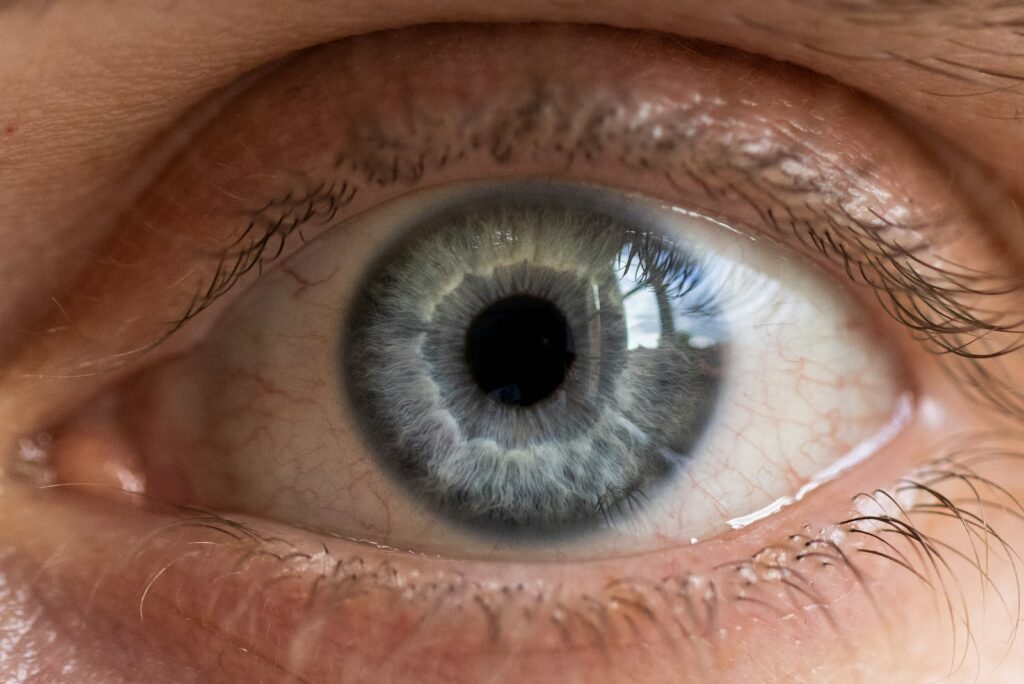
If you’ve noticed a fleshy, triangular growth creeping from the white of your eye toward the cornea, you might be dealing with a condition called pterygium (pronounced tuh-RIJ-ee-um). Often referred to as “surfer’s eye,” this common eye condition is especially prevalent in individuals with high sun exposure, dry eyes, or frequent exposure to dust and wind.
While it may start as a cosmetic concern, a pterygium can eventually affect vision by distorting the cornea or blocking the visual axis. Redness, irritation, and a persistent foreign body sensation are typical symptoms. Once it becomes large or symptomatic, surgery is the most effective solution
Surgical Treatment
Simply removing the growth is no longer considered best practice. That’s because bare sclera excision (removing the pterygium without a graft) has a high recurrence rate — sometimes up to 80%.
Modern ophthalmic surgery has evolved, and today the gold-standard techniques include:
1. Conjunctival Autograft
In this method, after the pterygium is removed, a thin layer of healthy conjunctiva from another part of your eye (usually the upper part) is transplanted to the site. It acts as a biological “bandage” and dramatically lowers the chance of recurrence — often to below 5%.
Benefits:
- Natural healing with your own tissue
- Excellent cosmetic results
- Low risk of recurrence
2. Amniotic Membrane Transplantation (AMT)
In some cases — especially when the conjunctiva is scarred, thinned, or insufficient — surgeons use an amniotic membrane, a biologically active tissue derived from the innermost layer of the placenta. It has anti-inflammatory, anti-scarring, and healing properties.
Best suited for:
- Recurrent pterygia
- Large or aggressive growths
- Eyes with previous surgeries or scarring
What to Expect After Surgery
The surgery is quick and performed under local anesthesia, often taking less than 30 minutes. Mild redness and irritation are common for a few days. Most patients return to work in 2–4 days with prescribed drops to aid healing.
With advanced techniques like conjunctival autograft and amniotic membrane transplantation, recurrence is rare and cosmetic outcomes are excellent.
If you’re living with a pterygium, don’t wait until it affects your vision. Modern eye surgery offers safe, effective, and long-lasting solutions — giving you not just clear sight, but renewed confidence.